
Pricing the College Jersey Patch: A Seller's Playbook Before August 1
College jersey patches go live August 1, 2026, and the earliest deals run from about $2.2 million a year at UNLV to $10 million over five years at Air Force. Price yours off comparable deals, the audience you actually deliver, and category scarcity, not a flat rate card.
Key takeaways
- The NCAA approved commercial jersey patches on January 23, 2026; they can appear from August 1, ahead of the fall season.
- Disclosed deals set the early band: UNLV signed Acesso Biologics for $11 million over five years ($2.2M a year), and Air Force signed USAA for about $10 million over five years across 30 sports.
- There is no market rate yet. Price off comparable deals, the audience you actually deliver, and how scarce the category is, not a flat per-sport number.
- Settle the revenue-share split with athletes before you sell: Arkansas routed about 90% of its Tyson Foods deal to players through NIL.
College athletic departments have a new asset to sell and no price for it. The NCAA cleared commercial jersey patches on January 23, and they can go on uniforms from August 1, weeks before the fall season. The handful of deals already signed set a wide early band, from $2.2 million a year at UNLV to about $10 million over five years at Air Force. Everyone else is pricing blind. The way out is to price off comparable deals, the audience you actually deliver, and how scarce the category is, not a flat per-sport rate card.
What the rule actually opened
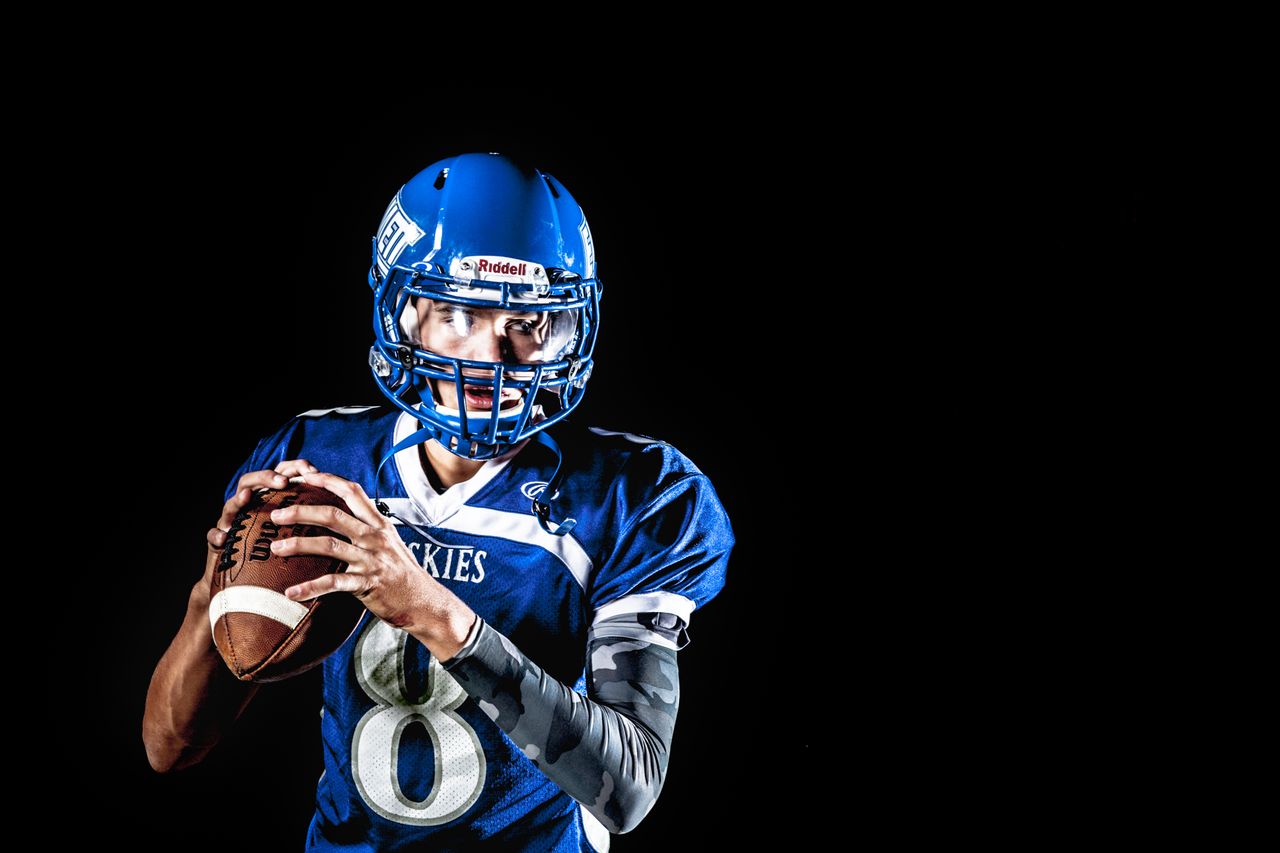 The patch is new inventory on a jersey athletes can now be paid to wear.
The new rule lets Division I programs place up to two sponsor logos of up to four inches on uniforms and apparel, with one additional logo on equipment, for any non-championship competition including the regular season. It arrives as departments are absorbing the cost of paying athletes directly under the House settlement, where the 2025-26 revenue-share cap sits near $20.5 million per school. The patch is a brand-new inventory line at the exact moment schools need one.
That timing is the trap. A deadline pulls deals forward, and deals signed against a clock tend to be underpriced. The job is to set a number you can defend before a brand sets one for you.
What the early deals tell you about price
There is no clearing price yet, only data points. They are worth reading closely because they are the only comps you have.
- UNLV signed Las Vegas firm Acesso Biologics to the first multisport college patch: $11 million over five years, about $2.2 million a year, across football, men's and women's basketball, and baseball.
- LSU was the first to sell the asset at all, a seven-year agreement with Woodside Energy signed in February. Terms were not disclosed.
- Arkansas signed Tyson Foods to a five-year deal across all 19 teams and routed roughly 90% of the money to athletes through NIL. Terms were not disclosed.
- The service academies went widest. Air Force signed longtime NFL partner USAA for about $10 million over five years across 30 sports, and Army followed with its own USAA agreement in June.
Two patterns matter for pricing. First, public figures are scarce, and the only two that exist both land near $2 million a year for a broad multisport package: UNLV's $2.2 million, and Air Force's USAA deal, which works out to roughly $2 million a year across 30 sports. LSU and Arkansas did not disclose terms, so treat the rest of the market as unpriced. Reported estimates for football and men's basketball patches alone run anywhere from $500,000 to $12 million a year depending on brand and market. Second, the spread is enormous, which means the comp you choose is a pricing decision in itself.
How to price it
A patch is not a logo on a sign. It is the most-photographed square inch your program owns. Price it like the scarce media asset it is.
Start from comps, not a rate card
The instinct is to set a per-sport price and add it up. Resist it. The pro market prices the patch as a single premium placement, and the gap between teams is wide for a reason. NBA jersey patches generated about $285.8 million across the league in 2024-25, roughly $10.6 million per team on average, but the spread runs from the Knicks' patch near $30 million a season down well below the average for smaller markets. The placement is identical. The audience is not. Anchor to the college and pro deals closest to your reach, then adjust.
Value the audience you actually deliver
The patch is worth what it puts in front of people, so count the impressions you can prove: home attendance, the number of nationally televised windows, conference broadcast reach, and the social following across your revenue sports. A program with twelve national TV windows and a million social followers is selling a different asset than one with regional coverage, even if both play the same sport. Build the number from delivered audience, not from rivalry pride.
Protect the scarcity of the category
The patch's value comes partly from being one of two slots, not twenty. Selling a single multisport partner the way UNLV and Arkansas did keeps the asset scarce and the price defensible. Slicing it sport by sport raises the headline count of deals but floods your own market and trains buyers to expect a discount. Decide early whether you are selling one marquee patch or a portfolio, because you cannot do both without cannibalizing the first.
Decide the revenue-share split before you sell
The patch sits on a jersey worn by athletes who can now be paid, so the split is part of the price, not an afterthought. Arkansas made the athlete share the headline by sending about 90% to players. Whatever you choose, settle it before you go to market. A brand wants to know where its money lands, and a number you have to renegotiate mid-deal is a number you will lose ground on.
The work most departments cannot staff
Pricing is the easy half. The hard half is finding the brand that pays the top of your band instead of the bottom, and that is a research problem. The right patch partner has the budget for a multiyear commitment, wants your specific audience, and carries no conflict with your apparel deal, your conference partners, or a rival's existing sponsor. Surfacing that brand means working a whole category, not calling the same dozen logos already in the building.
That is the same dynamic the Premier League is living through as its gambling shirt ban resets the market: the properties that priced well were the ones that mapped the buying market before the asset opened, not after. Most athletic departments do not have the hours to map a category by hand while the August clock runs. The schools that price the patch well will be the ones that went wide on prospects early, built a ranked and conflict-checked list, and walked into the room already knowing which brand should be wearing their chest. The deadline rewards preparation. It punishes the scramble.
Frequently asked
When can colleges wear sponsor jersey patches?
The NCAA approved commercial sponsorship patches on January 23, 2026, and the rule takes effect August 1, 2026, ahead of the fall season. Division I programs can place up to two sponsor logos of up to four inches on uniforms and apparel, plus one additional logo on equipment.
How much is a college jersey patch sponsorship worth?
There is no settled rate yet. Among disclosed deals, UNLV signed Acesso Biologics for $11 million over five years (about $2.2 million a year) and Air Force signed USAA for roughly $10 million over five years across 30 sports. Estimates for football and men's basketball patches alone range from about $500,000 to $12 million a year depending on the brand and market.
How do you price a college jersey patch?
Start from comparable college and pro deals rather than a rate card, value the audience you actually deliver (attendance, broadcast windows, social reach), protect the scarcity of the category you are selling, and decide the athlete revenue-share split before you go to market.
Sources
- NCAA approves rule change to allow commercial sponsorship patches on uniforms, CBS Sports
- NCAA Approves Jersey Patch Sponsorships, Effective for Fall 2026 Season, O'Melveny
- UNLV, Acesso Biologics sign $11M multisport jersey patch deal, Las Vegas Review-Journal
- How LSU became first college to sell sponsor jersey patch, NOLA.com
- Arkansas, Tyson Foods strike major jersey patch deal that sends 90% of money to players, CBS Sports
- Air Force Unleashes $10M Partnership With Longtime NFL Partner USAA, EssentiallySports
- Army Football Announces Major Jersey Patch Deal Similar to Air Force's $10M Agreement, EssentiallySports
- NBA teams to generate $285.8 million from jersey patch deals for 2024-25 season, GlobalData