
The £80M Hole: How Premier League Clubs Backfill a Banned Sponsor
The Premier League's front-of-shirt gambling ban lands in 2026-27, removing an estimated £80M a year in sponsorship. The clubs that filled the shirt in time treated a lost category as a prospecting problem, not a crisis.
Key takeaways
- The front-of-shirt gambling ban takes effect in 2026-27, leaving an estimated £80m a year to replace across the league.
- Financial services is the dominant replacement category: trading, banking, and insurance brands like CMC Markets, Monzo, and Vitality.
- For most clubs the replacement is worth less, not more; non-elite offers reportedly fell about 50% once gambling's above-market money left.
- The clubs that filled the shirt on time had mapped the replacement market early; the ones still exposed had a narrow prospect list.
When the Premier League's ban on front-of-shirt gambling sponsorship takes effect in the 2026-27 season, it pulls an estimated £80 million a year off the table. Gambling brands made up about a quarter of the league's front-of-shirt value, roughly $130m of a $525m market, and eleven clubs carried a betting logo on the chest in 2025-26. The shirts go blank unless someone sells them.
That is a category problem, and category problems are exactly what most commercial teams are worst equipped to solve quickly. The clubs that filled the shirt in time were not the ones with the biggest brand. They were the ones who treated a lost sponsor as a prospecting problem and went wide early.
Where the money is going
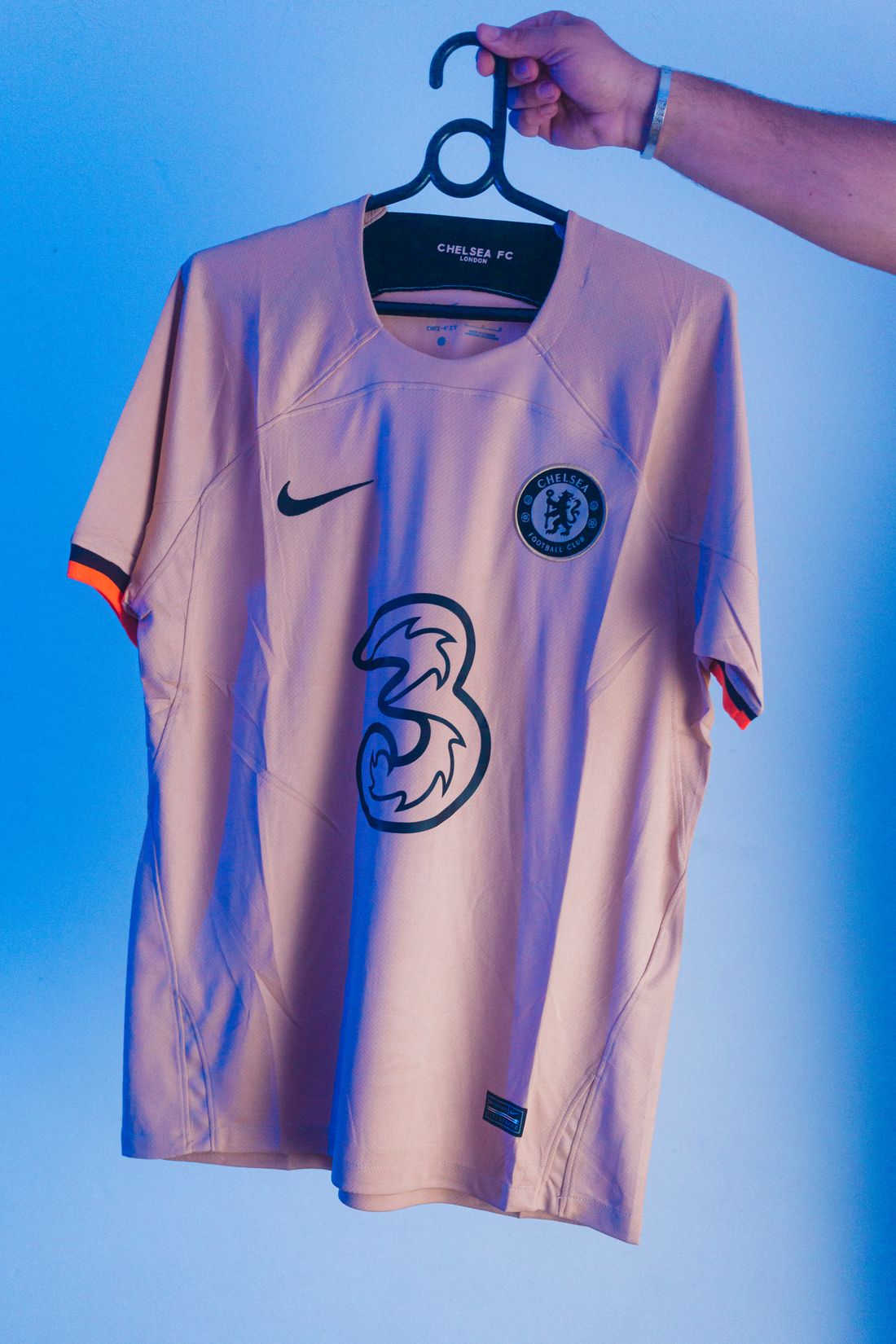 The front of the shirt is the asset in question, and the brands buying it are changing.
The replacements share a pattern. Gambling money is mostly being backfilled by financial services (trading, banking, insurance) rather than another vice category.
- Everton replaced crypto-casino Stake.com with CMC Markets, a London-listed trading firm, in a deal reported at around £30m. It was one of the few replacements worth more than the gambling deal it succeeded.
- Brentford upgraded Indeed from training-kit sponsor to the front of shirt, swapping a sportsbook for a hiring platform.
- Bournemouth signed insurer Vitality, already its stadium-naming partner.
- Fulham was reported to be in advanced talks with CMC Markets to replace betting brand Sbotop, and newly promoted Coventry City carried fintech Monzo onto its Premier League shirt.
But Everton is the exception, not the trend. Outside the elite clubs, replacement offers reportedly fell by about half. Gambling brands had been paying well above market rate, and the new buyers are more disciplined. Betting brands are not vanishing from the sport either. They are sliding to the assets still permitted: sleeves, training kit, and pitchside LED. The marquee asset, the chest, now needs a different kind of buyer, and the clubs still searching for one late in the cycle were the ones who had only ever worked the categories already in the building.
Why a lost category is really a research problem
Replacing a front-of-shirt sponsor is not one conversation. It is a search across an entire market for the handful of brands that can afford the chest, want a young, global, high-income football audience, and carry no conflict with a club's existing partners. Financial services is the obvious answer in hindsight, but "obvious" is only useful if a club already knows which firms are spending, which have UK ambitions, and who owns the budget.
The work itself breaks into three unglamorous parts: find the right brands, research each one well enough to know it fits, and reach the person who decides. None of it is hard. All of it takes hours. The clubs that struggled were not short on effort or brand pull. They were short on time, working the replacement search by hand while the season clock ran. A shortlist that should have been fifty motivated prospects collapsed to the same dozen names every rival was also calling.
The pattern beyond the Premier League
A regulatory ban is just the loudest version of something every property faces quietly. A non-renewal removes a category on a smaller scale every year, with no headline to force preparation. The Premier League's £80m hole is useful precisely because it makes the dynamic legible: a number on the wall, a deadline, and a blank shirt.
The clubs that came out ahead were not the biggest. They were the ones holding a ranked, conflict-checked view of the replacement market before the asset opened up. When a category exit is anticipated, it stops being a crisis and becomes ordinary commercial work. When it is a surprise, it becomes a scramble. That gap, preparation rather than prestige, is what separated the clubs that filled the shirt from the ones that went into the season still wearing none.
Frequently asked
When does the Premier League gambling shirt sponsor ban start?
Clubs agreed in 2023 to drop gambling sponsors from the front of matchday shirts, and the ban takes effect from the 2026-27 season. Betting brands can still appear on shirt sleeves, training kit, and pitchside LED. Only the front-of-shirt placement is banned.
How much sponsorship revenue does the ban remove?
Gambling brands were roughly a quarter of the Premier League front-of-shirt market, about $130m of a $525m total in 2025-26. Club executives have estimated the ban leaves on the order of £80m a year in front-of-shirt value to replace.
What kind of brands are replacing gambling sponsors?
Mostly financial-services and fintech brands, plus recruitment and insurance. Everton replaced Stake.com with trading firm CMC Markets, Brentford upgraded Indeed to the front of shirt, and Bournemouth signed insurer Vitality. Most non-elite clubs, though, replaced their gambling deal at a lower value.
Sources
- Premier League statement on gambling sponsorship, Premier League
- Premier League clubs facing £80m shirt sponsor void amid gambling ban, The Irish Times
- Over 50% of EPL clubs promote gambling brands, as front-of-shirt ban looms, Sportcal
- How the Premier League betting ban is resetting the shirt sponsorship market, SportsPro
- Everton line up CMC Markets as shirt sponsor in £30m deal, City AM
- Brentford upgrade Indeed to shirt sponsor ahead of betting ban, Sportcal
- Vitality to replace BJ88 on Bournemouth shirt, SportBusiness
- Monzo takes shirt deal into the Premier League with Coventry City renewal, Financial Promoter
- The Premier League shirt ban isn't what it appears to be, SBC News